
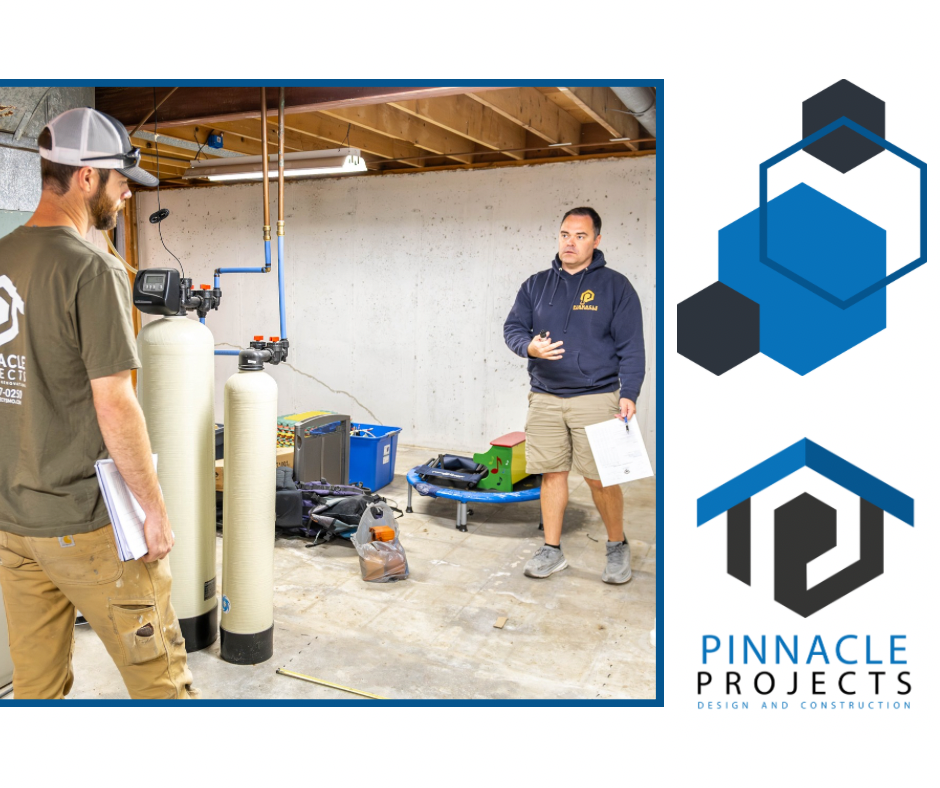
Most homeowners underestimate the challenges of basement finishing Central Missouri. Moisture, permits, and design choices can quickly turn your dream space into a costly headache. Knowing the right steps upfront saves time, money, and stress—plus it boosts your home’s value. Keep reading to learn what matters most before you start your Columbia MO basement remodel.
Understanding Basement Codes
Navigating local regulations is key to a successful basement project. These codes ensure safety and functionality, so it’s crucial to understand them before starting your Columbia MO basement remodel.
Basement Permits Columbia MO
Before you can break ground, a permit is essential. This document is your official approval to start construction. It confirms that your plans comply with local building standards. Most people think a permit is just a formality, but it actually helps avoid future headaches. Without it, you might face fines or need to redo your work. It’s best to consult with experts who can guide you through the process smoothly.
Egress Window Requirements Missouri
An egress window is more than just a window; it’s a lifesaver. This requirement ensures a safe exit in emergencies. In Missouri, specific dimensions must be followed: windows should be at least 5.7 square feet. Installing one not only meets legal obligations but also enhances your basement’s safety and appeal. Ensuring these windows are installed correctly means peace of mind for your family’s safety.
Moisture and Air Quality
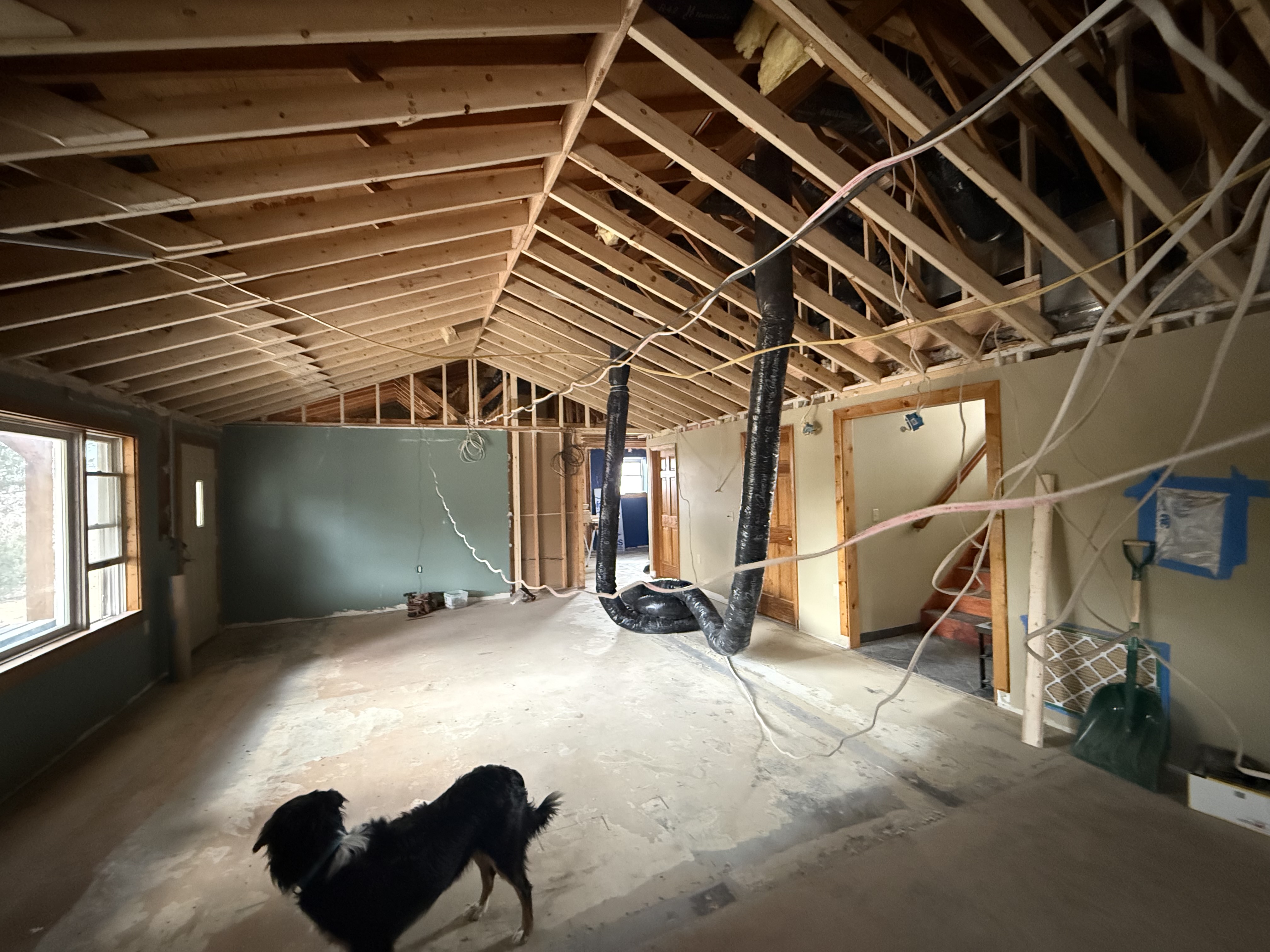
Keeping your basement dry and healthy is a top priority. Poor moisture control can lead to mold, which affects air quality. Understanding the risks and solutions will help maintain a comfortable space.
Moisture Control Basement
Moisture is a common basement challenge. To combat this, consider a vapor barrier. This layer prevents dampness from seeping in, protecting your walls and floors. A sump pump battery backup is another vital tool. It ensures that your basement stays dry even during power outages. Investing in these solutions will safeguard your home from water damage.
Radon Testing Columbia Missouri
Radon is a silent intruder that can affect your health. Testing your basement for radon is a crucial step. This odorless gas can seep through cracks and is harmful at high levels. By conducting a radon test, you can identify and mitigate its presence, ensuring your home’s air remains healthy. Remember, a safe basement is a happy basement.
Design and Budget Planning
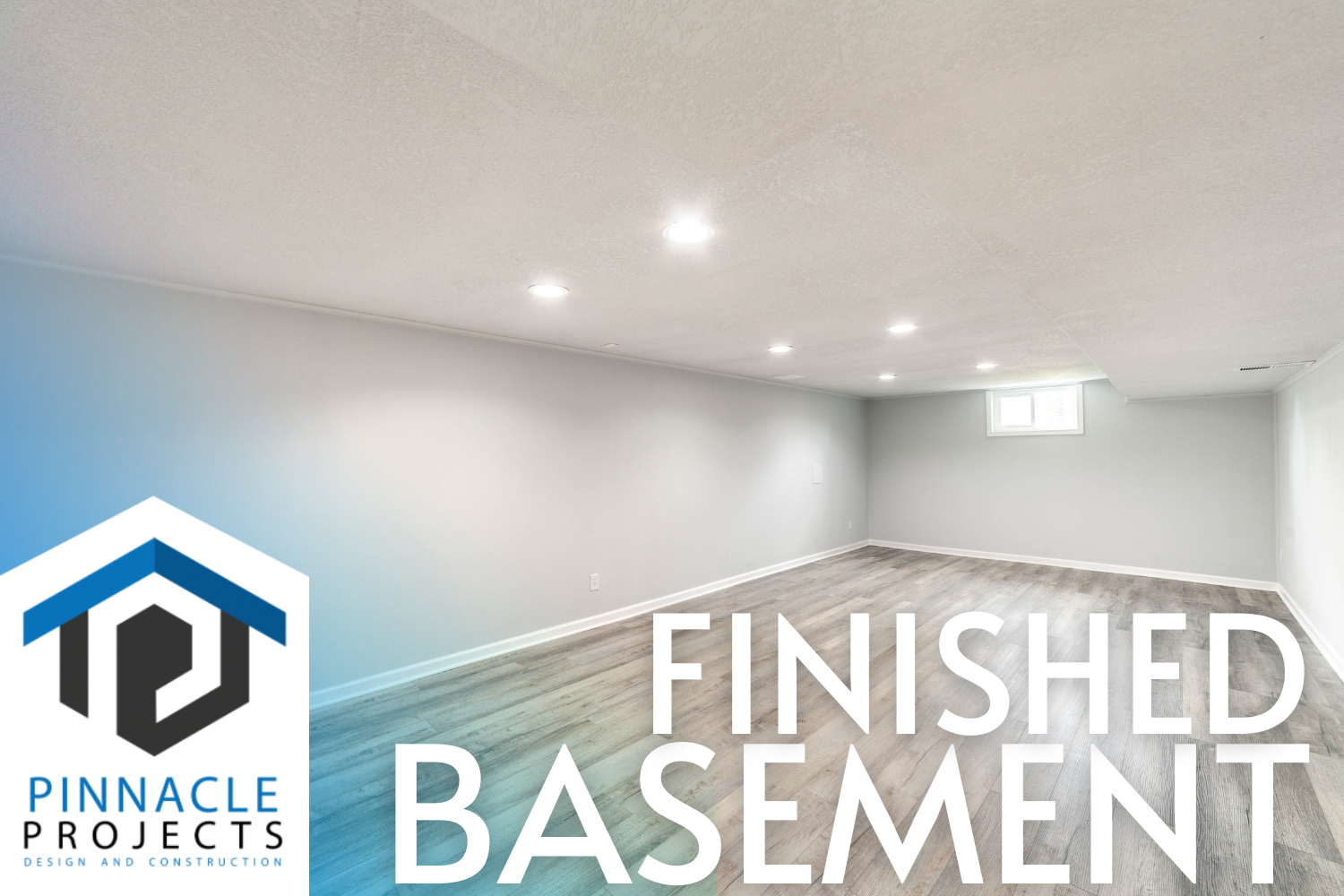
A well-planned design and budget can turn your basement dream into reality. Thoughtful choices in these areas can prevent unforeseen expenses and maximize your space’s potential.
Insulation for Basements
Proper insulation keeps your basement comfortable year-round. Consider materials like spray foam for its efficiency and soundproofing qualities. Adding insulation improves energy efficiency, reducing heating and cooling costs. A well-insulated basement not only feels cozy but also boosts your home’s overall energy performance.
ADA Accessibility Basement
Designing with accessibility in mind ensures everyone can enjoy the space. Incorporating features such as wider doorways or ramps can make a world of difference. These modifications are especially important if you plan to accommodate family members with mobility challenges. By thinking ahead, you make your basement a welcoming space for everyone.
Frequently Asked Questions
Do I really need a permit to finish my basement?
Yes, a permit is crucial. It ensures your basement meets local building codes, avoiding legal and safety issues.
What is an egress window, and why is it important?
An egress window is a large window that serves as an emergency exit. It’s required by law to ensure safe escape routes in emergencies.
How can I control moisture in my basement?
Use a vapor barrier and consider a sump pump with a battery backup to keep moisture at bay and prevent water damage.
Is radon testing necessary for my basement renovation?
Absolutely. Radon testing detects this harmful gas, which can affect your health. It’s important for maintaining safe air quality.
What are some key design considerations for an accessible basement?
Include wider doorways, ramps, and other features that aid mobility, ensuring the space is inclusive for everyone.