

Adding space to your older Central Missouri home isn’t as simple as picking a design and breaking ground. Your home’s structure, permits, and existing utilities all play a big role in what’s possible—and what’s not. With the right planning and expert guidance, you can expand your living space without losing the charm that makes your home special. Keep reading for key older home addition tips that will help you avoid costly surprises and create a seamless addition you’ll love. For more insights on older homes, check out this article.
Key Considerations for Home Additions
Expanding your home can be a rewarding project, but it requires careful planning. Let’s explore some critical steps to ensure your addition enhances your home while avoiding common pitfalls.
Structural Assessment for Additions
Before you start planning, it’s crucial to evaluate your home’s current condition. This helps you understand what changes you can safely make. Have a professional assess your home’s structure to identify any limitations or issues. They will check for things like load-bearing walls and foundation strength. This step reduces risks and ensures your new addition can blend seamlessly with your existing home.
Zoning and Permits in Columbia Missouri
Understanding local regulations is key to a successful addition. Zoning laws in Columbia, Missouri, dictate what you can build and where. Contact your local zoning office to learn about any restrictions. You’ll also need permits before construction begins. These permits ensure your project meets safety standards and complies with local laws. Skipping this step can lead to fines or forced removal of your new space.
Foundation Tie-In Techniques
Connecting a new structure to your existing home requires careful planning. A stable foundation is essential for any addition. Experts use various techniques to tie-in foundations, ensuring they work together as one unit. This process often involves matching materials and aligning the new foundation with the old. Properly tied-in foundations prevent structural issues down the road and ensure your addition stands the test of time.
Designing for Continuity and Charm

Preserving the character of your older home while adding space is an art. It’s about maintaining charm while enhancing functionality.
Maintaining Historic Home Character
Older homes often have unique features that give them charm. When adding space, focus on preserving these elements. Use materials that match your home’s era. This might mean sourcing vintage fixtures or using reclaimed wood. Keeping the original style intact ensures your home remains cohesive and retains its historical appeal.
Seamless Exterior Match Strategies
A well-matched exterior makes your addition look like part of the original design. Use siding, roofing, and paint that align with the existing structure. Consult with experts on color matching and material selection. This attention to detail provides a unified appearance and enhances curb appeal.
Interior Design Consistency
Inside, your addition should feel like a natural extension of your home. Match flooring, wall colors, and trim to the existing decor. Consider flow and functionality in your design. Consistent styles create a harmonious living space and improve overall functionality.
Budgeting and Timeline Planning
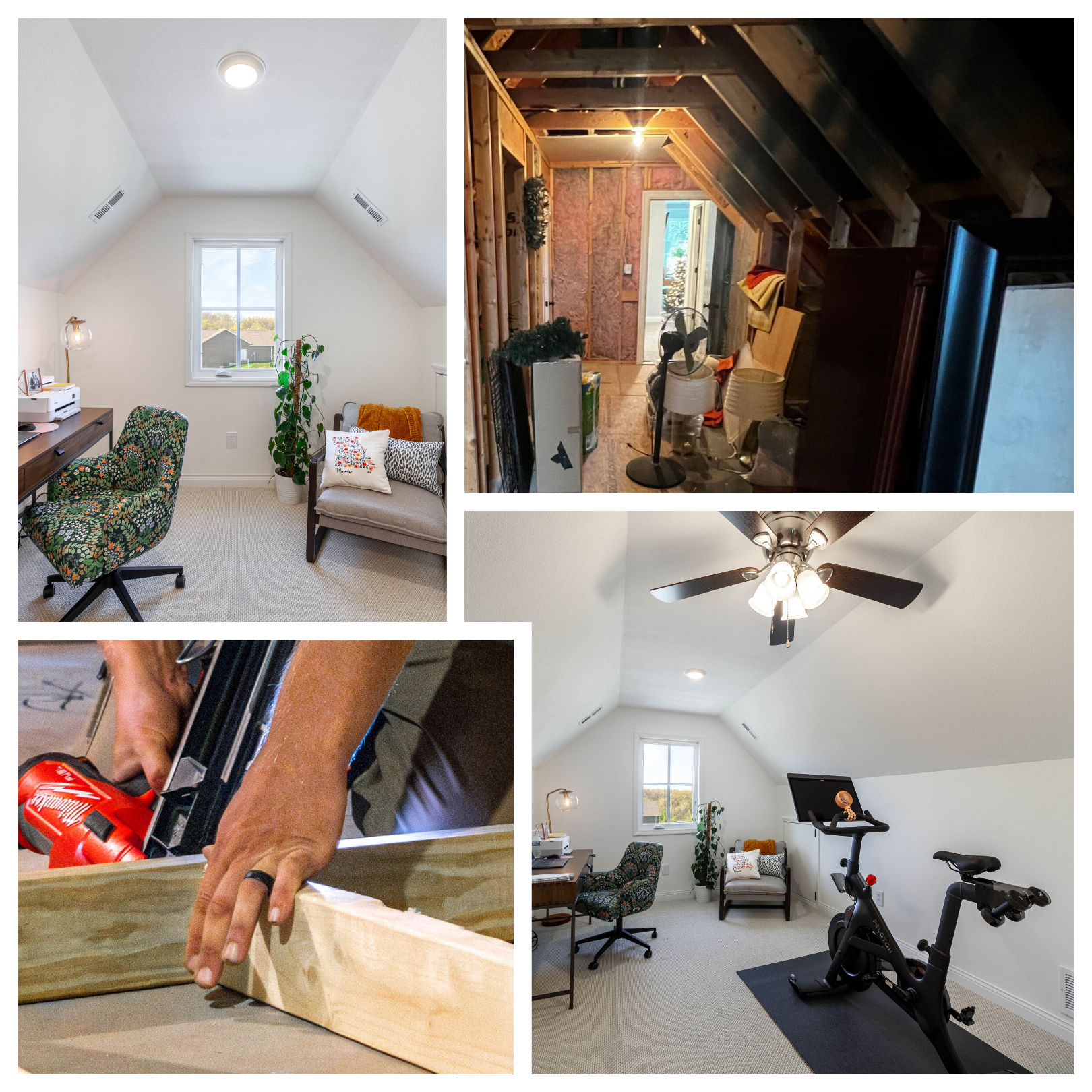
Successful additions require careful financial planning and time management. Let’s outline how to keep your project on track.
Estimating Home Addition Costs
Accurate cost estimation is crucial. Start by outlining your goals and preferred materials. Get multiple quotes from contractors to understand the range of potential expenses. Remember to account for unexpected costs by setting aside a contingency budget. This approach helps avoid financial surprises and ensures smooth project progression.
Managing Project Timelines
Time management is just as important as budgeting. Work with your contractor to set realistic deadlines. Break the project into phases and monitor progress regularly. Flexibility is key, as unexpected delays can occur. Effective timeline management keeps your project moving and reduces stress.
Open Communication for Success
Communication with your contractor is vital throughout the project. Regular updates and clear dialogue prevent misunderstandings and keep everyone aligned. Make sure to address any concerns promptly. This proactive approach builds trust and ensures your vision becomes reality.
Frequently Asked Questions
What should I consider before adding an extension to my home?
Consider the structural capacity of your home, local zoning laws, and the need for permits. Also, ensure your new addition matches your home’s style and doesn’t exceed your budget.
How do I maintain the character of my older home during an addition?
Use materials and design elements that reflect your home’s original style. Hiring professionals familiar with historic homes can help maintain the authentic charm.
What permits are needed for a home addition in Columbia, Missouri?
You’ll need to check with the local zoning office to understand specific requirements, but typically building permits and inspections are required to ensure compliance with safety regulations.
How can I ensure my home addition stays within budget?
Start with a detailed estimate and include a contingency for unexpected costs. Regularly track expenses and adjust plans if necessary to avoid overspending.
Why is open communication important during a home addition project?
It ensures that all parties are aligned on goals, timelines, and changes, which helps in preventing misunderstandings and ensures a smooth progression of the project.