
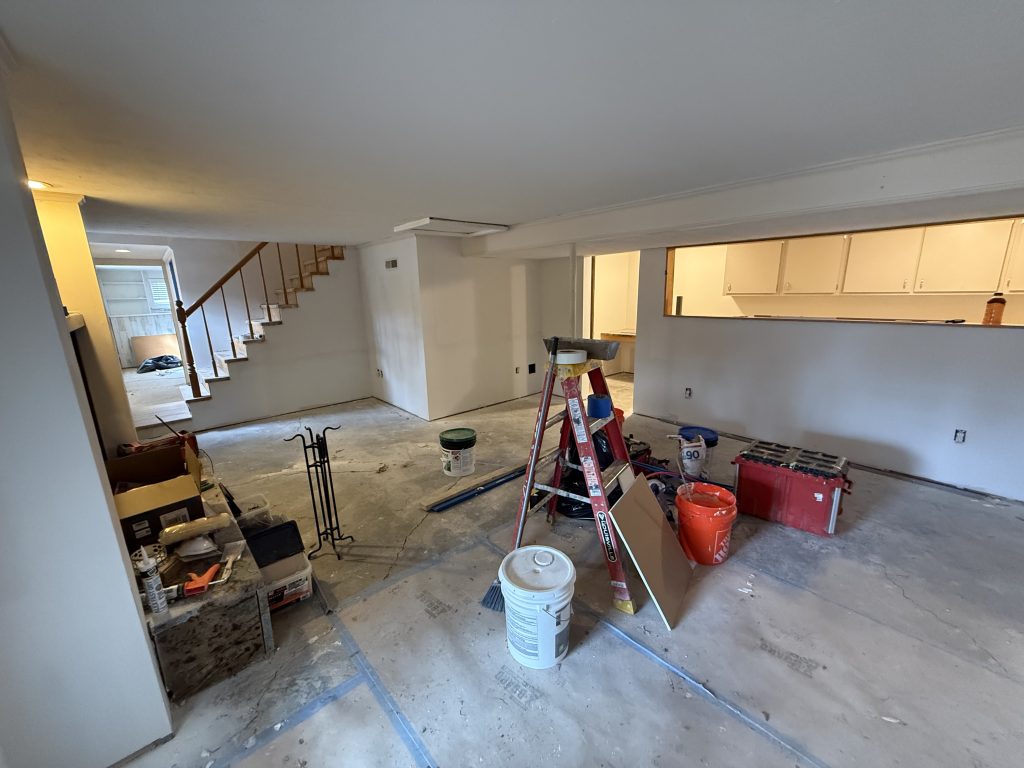
Older Missouri basements bring charm but also hidden challenges. Before you start your basement finishing Columbia MO project, you need to know about moisture risks, code rules, and smart layouts. These 10 must-knows from Pinnacle Projects LLC will help you avoid costly mistakes and create a safe, comfortable space your family will love. Keep reading to plan your Central Missouri basement remodel with confidence. For more insights, check out this discussion on finishing a basement in Missouri.
Preparing Your Basement
Transforming your older Missouri basement into a welcoming space starts with understanding its unique challenges. Let’s dive into key steps you need to address before beginning your project.
Assessing Basement Moisture Control
Moisture might be lurking in your basement, ready to cause trouble. Start by checking for water stains or damp spots. Installing a sump pump and drain tile can help manage water issues. Consider adding a vapor barrier and insulation to keep your basement dry. These measures prevent mold growth, protecting your family’s health and your investment.
Many homeowners overlook moisture control, but it can make or break your project. Dry basements are more comfortable and valuable. The longer you wait to address these concerns, the harder they are to fix.
Understanding Permit and Code Requirements
Before swinging a hammer, know the local building codes and permit requirements. Each city might have different rules, so it’s wise to contact your local authorities. Not following these can lead to fines or construction halts.
Knowing these rules ensures your renovation is safe and legal. Avoiding permits might seem tempting, but it could lead to costly issues later. Expert contractors like Pinnacle Projects LLC stay updated on local regulations, helping you navigate this complex aspect.
Importance of Radon Testing Missouri
Radon is a hidden danger in many basements, particularly in Missouri. Testing for radon is simple and crucial before you start any work. High radon levels are linked to health risks, so this step shouldn’t be skipped.
If tests show high radon levels, mitigation systems can bring them to safe levels. Most people think radon is rare, but it’s more common than you might expect in older homes. Keeping your family safe starts with this essential test.
Designing Your Space
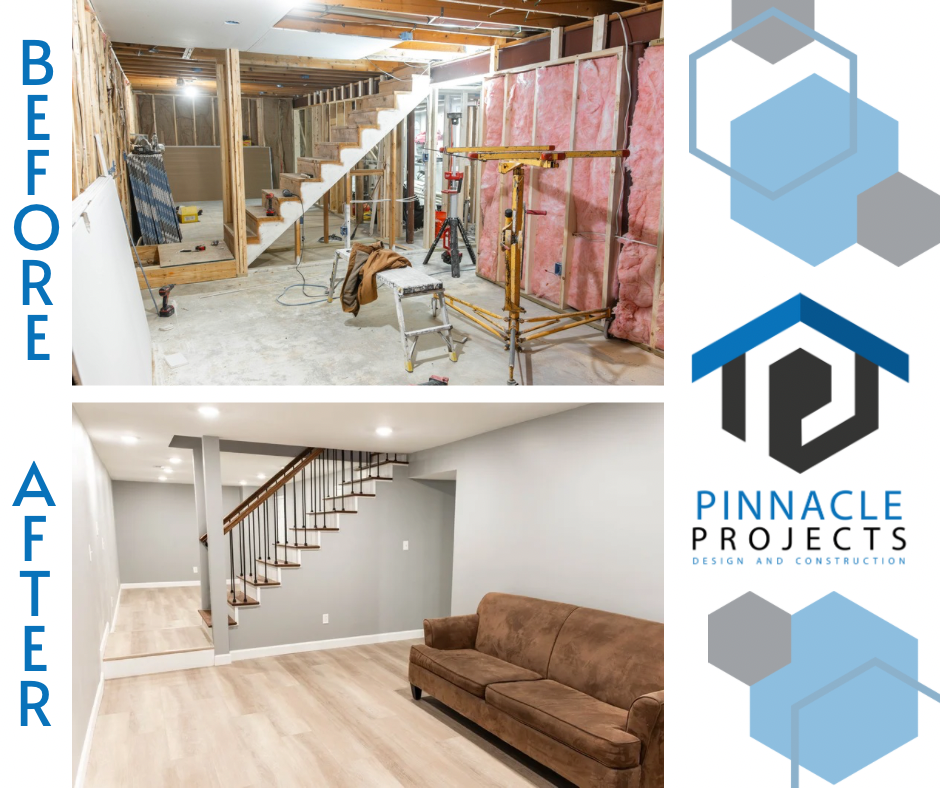
Once you’ve prepared the basement, it’s time to design a layout that’s both functional and stylish. Let’s explore how to make the most of your space.
Layout and Design Considerations
Designing your basement involves more than just choosing a paint color. Begin by envisioning how you’ll use the space: a playroom, office, or guest suite. Create zones for different activities.
Think about storage solutions and lighting to enhance the area’s functionality. Use flooring options like LVP, carpet, or tile to suit your needs. A well-thought-out layout not only boosts comfort but also increases home value.
Egress Window Code Missouri
Safety is crucial, and egress window code Missouri must be followed. These windows provide an escape route in emergencies. Make sure they meet size and placement requirements.
Installing egress windows might seem like an extra step, but it’s essential for safety and resale value. They allow more natural light, making basements feel less like basements and more like enjoyable living spaces.
Ceiling Height Requirements Basement
Ceiling height can affect how spacious your basement feels. Missouri building codes typically require a minimum height for finished basements. Check these requirements to ensure compliance.
Low ceilings can make a room feel cramped. By understanding these standards, you can make informed decisions, like lowering the floor or choosing appropriate lighting to create the illusion of height.
Enhancing Functionality
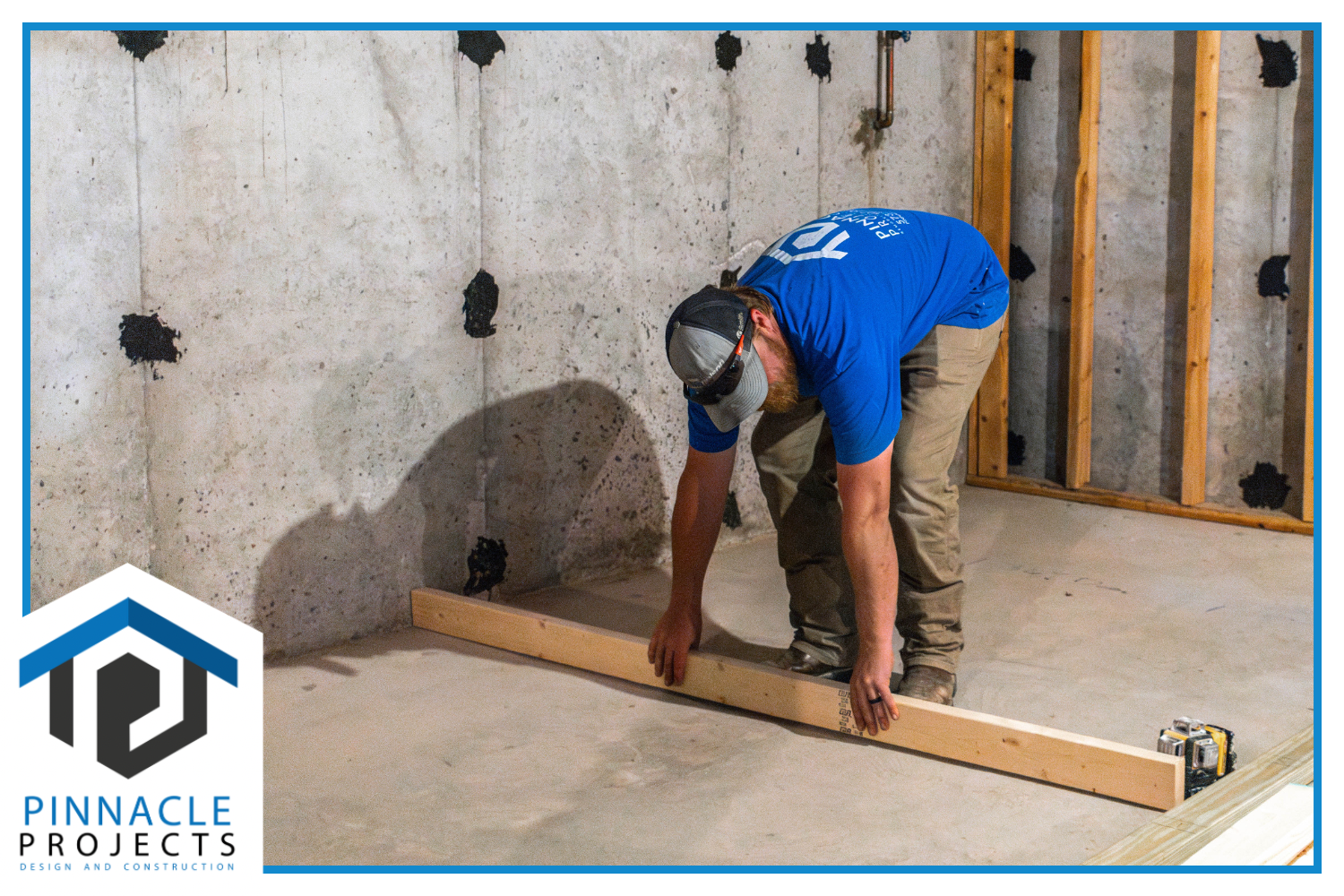
To truly make your basement a part of your home, its systems need to function seamlessly. Here’s how to ensure everything runs smoothly.
Electrical Upgrade Older Homes
Older homes often have outdated electrical systems. Upgrading your wiring can prevent hazards and allow for modern conveniences. Adding outlets and updating the circuit panel might be necessary.
This step not only ensures safety but also prepares your space for today’s technology. Most people underestimate the importance of electrical upgrades, but they’re crucial for a functional and safe basement.
Plumbing Rough-In Basement
A successful basement remodel includes planning for plumbing needs. Whether you’re installing a bathroom or a wet bar, proper plumbing rough-ins are essential.
Consult with professionals to determine the best layout for plumbing. Early planning prevents costly changes down the road. Remember, fixing plumbing issues later is more expensive and disruptive.
HVAC and Ventilation Basement
Proper HVAC and ventilation keep your basement comfortable year-round. Evaluate your current system to see if it can handle the added space. You might need additional vents or a separate system.
Good airflow prevents mustiness and ensures a pleasant environment. This investment in comfort often pays off with increased home value and livability.
Frequently Asked Questions
1. Why is moisture control important in basement finishing?
Moisture control prevents mold and structural damage. It keeps your basement dry, safe, and comfortable for use.
2. What are the benefits of installing egress windows in a basement?
Egress windows provide safety by offering an emergency exit. They also enhance natural light and can increase property value.
3. How does upgrading electrical systems benefit an older home?
Upgrades ensure safety and accommodate modern appliances. They prevent hazards and improve the functionality of your living space.
4. What should I consider when planning basement plumbing?
Plan for future needs like bathrooms or bars. Proper rough-ins save money and time, avoiding costly changes later.
5. Why is radon testing critical before finishing a basement?
Radon is a health risk linked to lung cancer. Testing ensures your basement is safe for your family.