
Essential Design Tips to Blend New Home Additions With Your Existing Architecture
Most home additions stand out like sore thumbs because they don’t match the original house. That mismatch can drain your home’s value and leave you frustrated. In this post, you’ll learn essential design tips to blend new home additions with your existing architecture, making your space look like it was built all at once. Ready to create a seamless home addition that fits your style and budget? Check out this guide for more insights: [https://www.gilday.com/design-build-dc-blog/home-additions-and-architectural-style-blending-new-and-old].
Designing a Cohesive Addition
Creating a harmonious home addition requires careful planning. Let’s explore how to seamlessly blend new spaces with your existing structure.
Matching Architecture and Style
When adding onto your home, maintaining a consistent style is crucial. Start by analyzing your home’s architectural details. Look at window styles, trim, and other decorative elements. Replicate these features in your new addition to ensure a cohesive look. For more insights on this process, consider reading this guide on matching new additions with existing home styles.
Roofline Integration Techniques
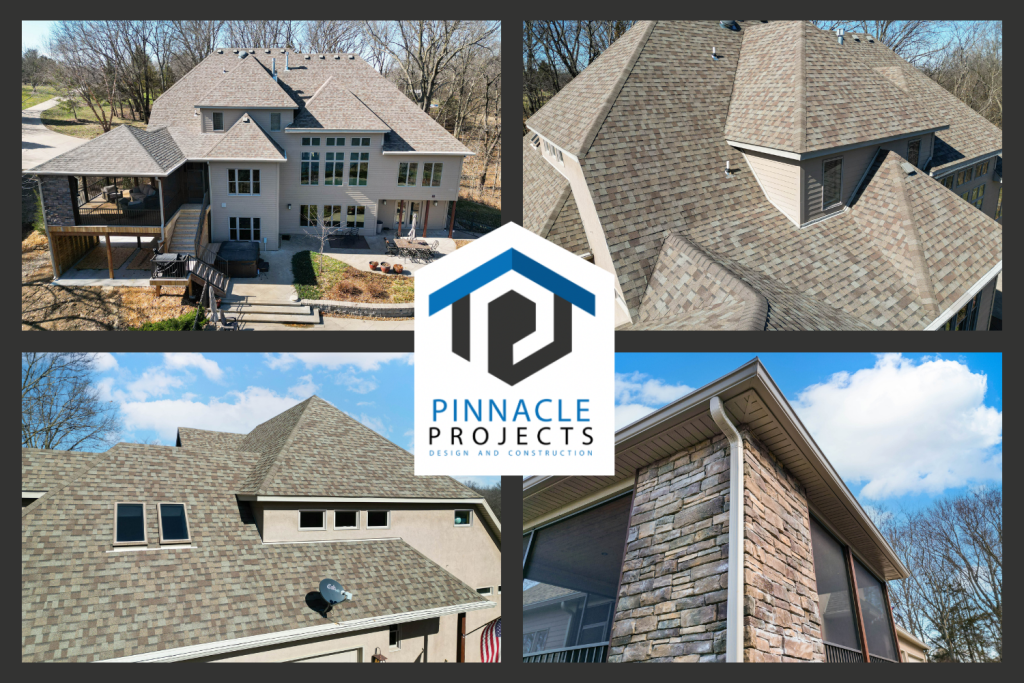
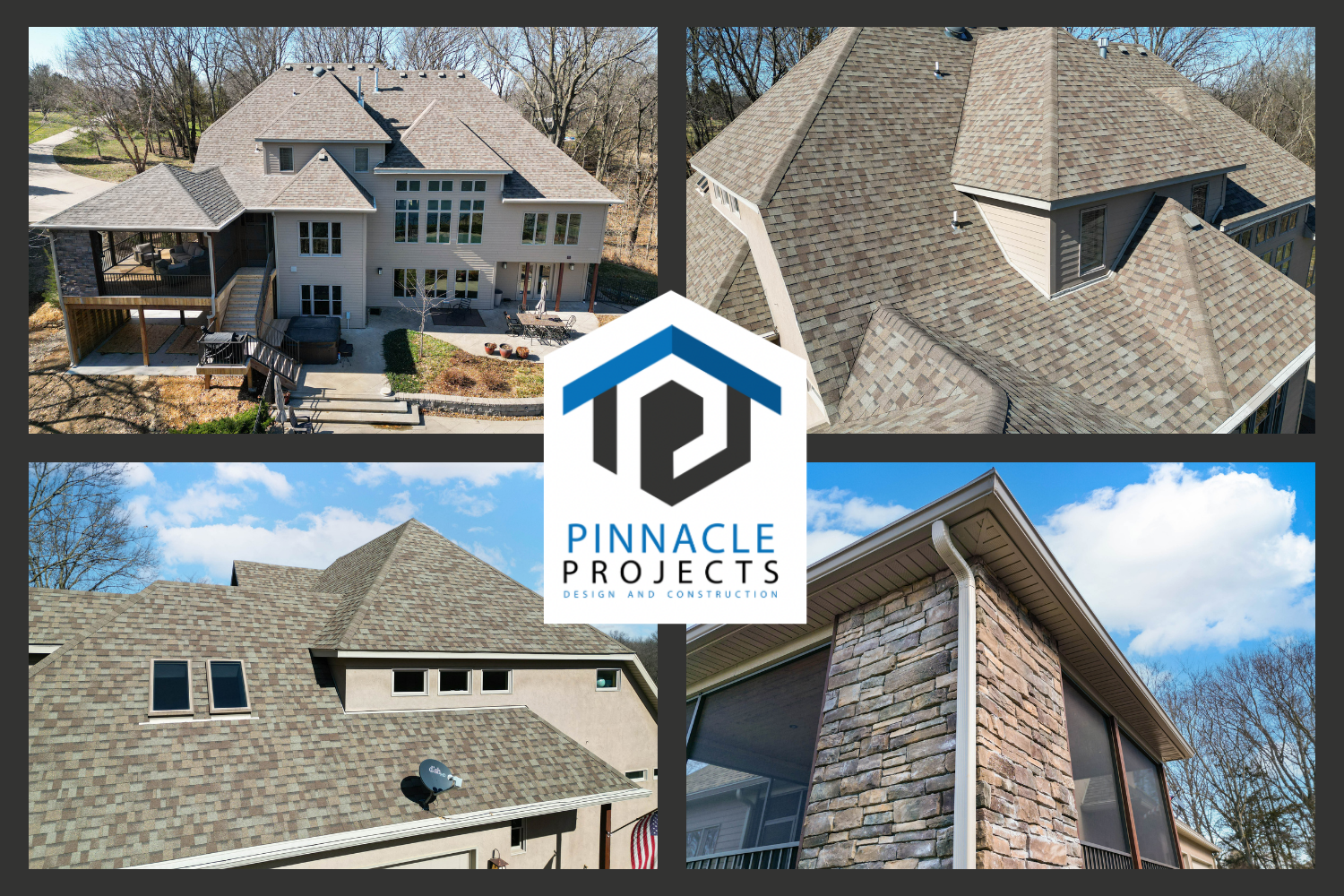
A mismatched roofline can ruin the look of a home addition. To avoid this, ensure the roof pitch of your addition matches the original structure. Use similar materials and colors for a unified appearance. This technique not only enhances visual appeal but also helps in weatherproofing the addition.
Exterior Materials Match Tips
Choosing the right materials for your addition can make it blend seamlessly. Match the siding, brick, or stone as closely as possible to the existing exterior. If exact matches are unavailable, opt for complementary colors and textures. This approach maintains visual harmony and enhances curb appeal. For more tips, visit this resource on integrating additions with existing architecture.
Enhancing Interior Harmony
It’s important to carry the same attention to detail inside your home. Let’s look at how to make your new space feel like a natural extension of your home.
Floor Plan Flow Considerations
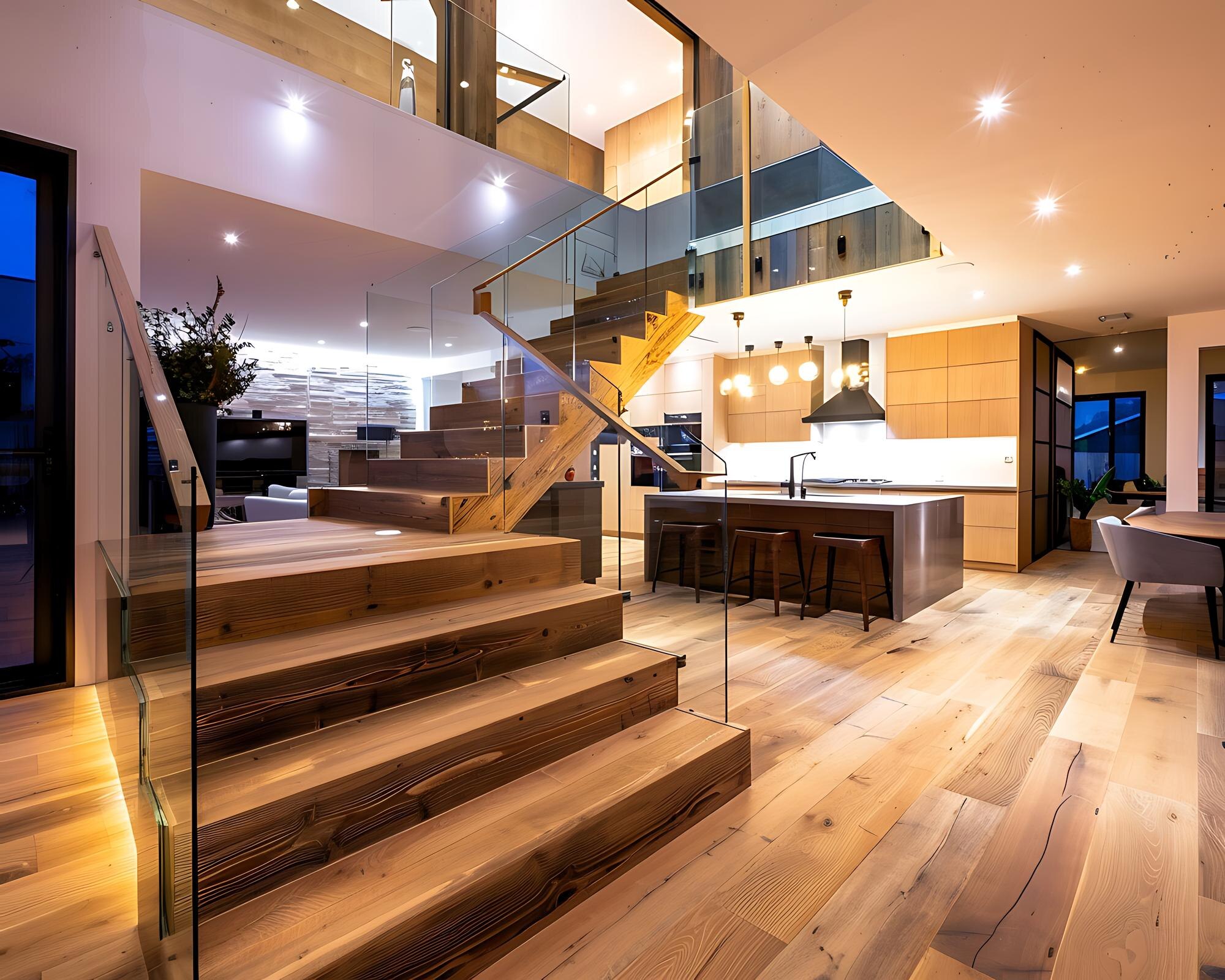
A smooth flow between the old and new areas is key. When planning your addition, think about how you move through your home. Open floor plans often provide the best flow. Consider using similar flooring materials to create a visual connection between spaces. This simple choice can make all the difference.
Natural Light Planning Strategies
Make the most of natural light in your new addition. Position windows strategically to capture sunlight and enhance the ambiance. Use skylights or light tubes to bring brightness to deeper parts of your space. This planning not only reduces energy costs but also creates an inviting environment.
Curb Appeal Enhancements
Your home’s exterior should tell a cohesive story. Landscaping plays a big role in blending the addition with the existing structure. Use plants and hardscape elements to draw attention to architectural features. This strategy not only beautifies your home but also increases its value. Discover more tips on blending traditional and modern designs in this helpful article.
Navigating Project Essentials
Understanding essential project elements can save you time and stress. Here’s what you need to know to ensure a smooth remodeling process.
Understanding Missouri Permits and Codes
Before construction begins, familiarize yourself with local building codes. This ensures your addition meets safety standards and avoids costly delays. Working with a knowledgeable contractor can help navigate this process. They ensure all work meets Missouri’s regulations, providing peace of mind.
Benefits of Energy Efficiency Upgrades
Incorporating energy-efficient features in your addition is a smart move. Upgrades like better insulation and energy-efficient windows lower utility bills. These improvements not only save money but also make your home more comfortable year-round. Plus, they add value to your property, making it more appealing to potential buyers.
Importance of Open Communication
Maintaining open communication with your contractor is vital. Discuss expectations, timelines, and any concerns you might have. Regular updates keep you informed and ensure your project stays on track. This transparency builds trust and results in a more successful outcome.
In conclusion, designing an addition that blends seamlessly with your existing home involves thoughtful planning and execution. Consider these tips to create a harmonious space that enhances your living environment. If you’re ready to start your project, remember that working with a trusted local contractor like Pinnacle Projects can make all the difference in achieving your dream home.